Those of us who are dedicated to Marketing know the importance of correctly deciding who our target audience will be, segmenting it and setting the markets to which we are going to direct our efforts. We also know that it is important to constantly survey these markets to discover new needs and thus be able to create new products and/or services to satisfy them. This is the only way to have a higher probability of success. Once the work of creating the product and/or service has been done, it is time to sell it. For it, different actions are defined that are included in two types of strategies based on the relation that we maintain with our objective public, either Prospect or Client:
- Capture Marketing: Employs marketing tools to acquire new Customers, people who had NO previous relationship with the company, i.e. Prospects.
- Retention Marketing: Focuses on using marketing to retain a person or business as a regular consumer of the company’s products or services, sell them additional products or services, or increase the use of the company’s products or services.
But, what happens when companies or organizations of different types carry out actions that drive these Customers or Prospects away from their scope of action? We call this type of action “Expulsion Marketing”. Therefore, to the previous actions, we should add a new one:
- Expulsion Marketing: Consists of using marketing tools, either consciously or unconsciously, to drive current Customers out of the company or scare away interested Prospects.
To put us all in perspective, let’s think about mobile operators and their Customer Care services. Large call reception centers where staff are trained to waste customers’ time instead of providing them with solutions. It is clear that in these cases, companies, consciously or unconsciously, my personal opinion is more of the former, mistreat customers and indirectly invite them to seek alternative offers. This dynamic is repeated in sectors such as civil aviation, where trying to make a complaint is almost impossible. In the “off-line” world, this type of actions of companies usually occur in markets with high barriers to entry and few players on the supply side that makes the chances of change are minimal, as if we lived in the early days of Marketing.
In the “on-line” world, this type of behavior is reflected in different actions carried out by companies in ALL sectors and of ALL sizes. Here are some very common examples and we invite you NOT to carry them out or try to correct them:
- Websites and online stores: When the usability leaves something to be desired, with complicated navigation, pages that take a long time to load, introduction screens that say nothing, designs where there is no clear hierarchy of contents or pop-up windows that are constantly bothering us, we are carrying out expulsion marketing actions, forcing our Customers or Prospects to turn around and never come back.

- Contacts not answered on the web: A contact form that leads to an email that nobody checks in the company. This is very normal with the complaints mail, but it also happens in the Contact general.
- E-mail marketing: The indiscriminate sending of unauthorized e-mails or, having been authorized, the sending of excessive commercial information, without providing value to the recipients.
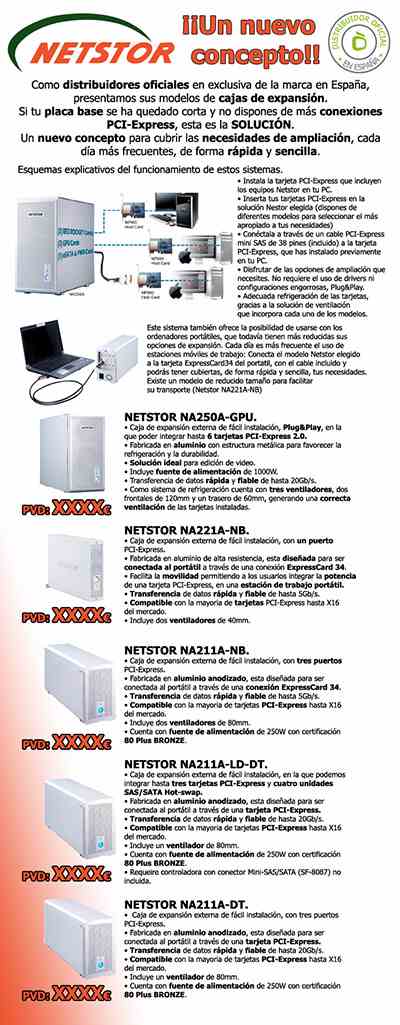
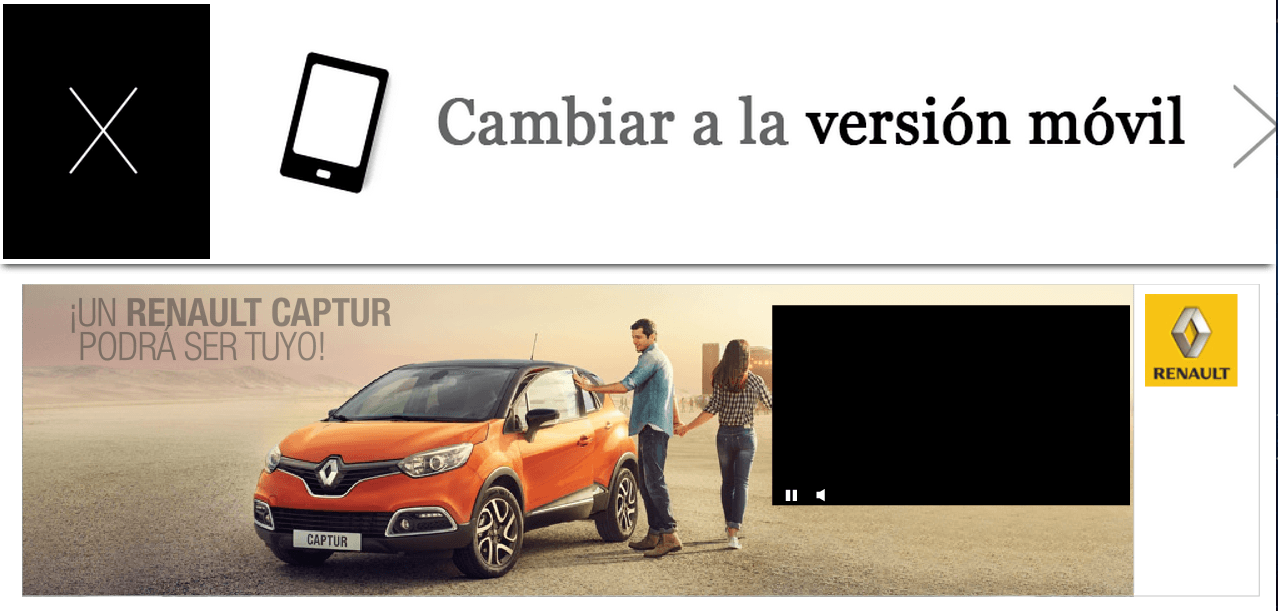
- Advertising: Use of annoying advertising formats with no option to stop them. The classic pop-up window with the tiny cross that does NOT allow us to close it. Even more annoying when it opens on a mobile device and does not allow us in any way to leave it to continue viewing the content we intended. Or abusive use of advertising on the pages, with banners that become gigantic just by hovering over them or with crazy animations that do not allow us to enjoy the content comfortably.
- Social networks: Publication of unattractive content, such as the classic “good morning” that does not contribute anything to users other than posting content on their walls that could be of interest to them, or very frequently.